Nomtopia

Nomtopia
Nomtopia
Role
UX | UI Design, Research, Prototyping
Category
Creative Project
Year
2025
Tool Credits
Figma, After Effects
Team
Ruby Wu, Yaya Zheng, Helen Burt, Maleekah Khan
Services
Brand Identity
Creative Direction
Info
Food is never just sustenance — it carries histories of migration and cultural exchange. Fusion cuisine has become a symbol of blended traditions, yet the origins behind these dishes often go untold. Nomtopia asks how we might enrich creative-minded youth’s understanding of where fusion foods come from, using collectible characters, storytelling, and interactive design to turn cultural heritage into something curious, tangible, and worth exploring.
Food is never just sustenance — it carries histories of migration and cultural exchange. Fusion cuisine has become a symbol of blended traditions, yet the origins behind these dishes often go untold. Nomtopia asks how we might enrich creative-minded youth’s understanding of where fusion foods come from, using collectible characters, storytelling, and interactive design to turn cultural heritage into something curious, tangible, and worth exploring.
Role
Role
UX | UI Design, Research, Prototyping
UX | UI Design, Research, Prototyping
Category
Category
Creative Project
Creative Project
Year
Year
2025
2025
Tool Credits
Tool Credits
Figma, After Effects
Figma, After Effects
Team
Team
Ruby Wu, Yaya Zheng, Helen Burt, Maleekah Khan
Ruby Wu, Yaya Zheng, Helen Burt, Maleekah Khan
Services
Brand Identity
Creative Direction
Info
Info
Food is never just sustenance — it carries histories of migration and cultural exchange. Fusion cuisine has become a symbol of blended traditions, yet the origins behind these dishes often go untold. Nomtopia asks how we might enrich creative-minded youth’s understanding of where fusion foods come from, using collectible characters, storytelling, and interactive design to turn cultural heritage into something curious, tangible, and worth exploring.
Food is never just sustenance — it carries histories of migration and cultural exchange. Fusion cuisine has become a symbol of blended traditions, yet the origins behind these dishes often go untold. Nomtopia asks how we might enrich creative-minded youth’s understanding of where fusion foods come from, using collectible characters, storytelling, and interactive design to turn cultural heritage into something curious, tangible, and worth exploring.
The Challenge
In today’s diverse culinary landscape, many creative-minded youth enjoy fusion foods without fully understanding their rich historical and cultural origins. Often lacking knowledge about the deep-rooted histories behind fusion cuisine and may unknowingly contribute to the misrepresentation of it. We sought to create an experience that transforms learning into an engaging and immersive journey that is easily accessible.
Rather than presenting history as static information, we designed an interactive approach that invites users to explore the influences of migration, colonization, and trade on global cuisine. By weaving storytelling with hands-on engagement, we aim to spark curiosity and encourage a deeper, more thoughtful appreciation of heritage through food.
Our project invites young creatives to connect with the past, challenge assumptions, and see food as a living testament to cultural evolution. Through interactive elements, we hope to make food history not only accessible but also inspiring and to think critically about global food heritage.
The Process
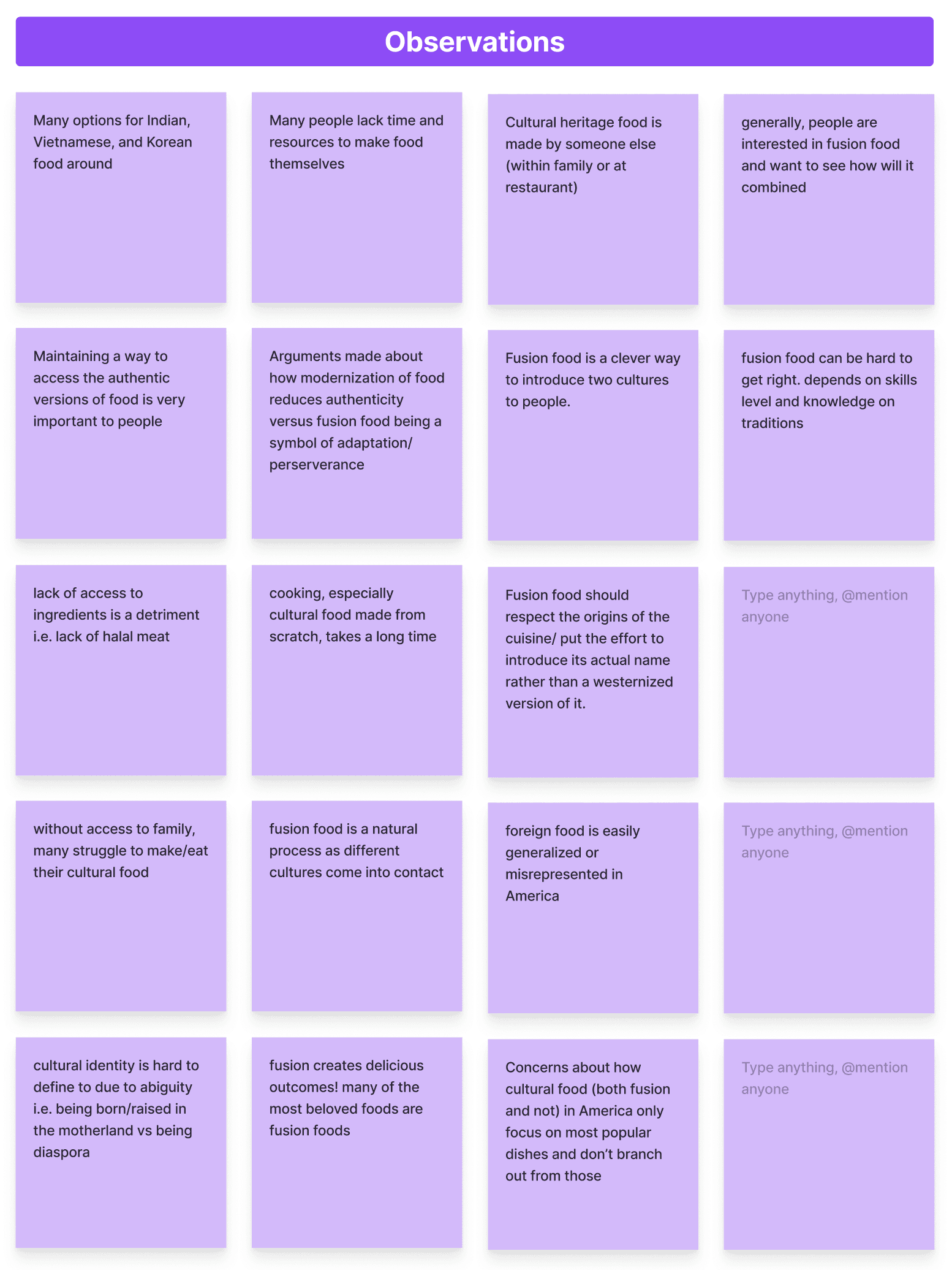
During our ideation phase, we conducted extensive research, gathering data and observations to identify key themes related to our project. Through this process, we identified three potential focus areas: authenticity in cuisine, fusion food & culture, and accessibility & logistics.


Down Selecting
From the three initial concepts developed, our team decided to move forward with Chef Mart, a fusion food blind box collectible that merges aesthetic appeal with educational insights into the history of fusion cuisine. We selected this concept because it balanced visual engagement, cultural storytelling, and interactive learning, aligning closely with our project’s goals of sparking curiosity around food heritage.


Co-Designing With Stakeholders
To refine our concept, we engaged in a co-design process involving users from diverse cultural and culinary backgrounds. Through these interviews, we explored how people currently relate to food heritage and where knowledge gaps or misconceptions exist. We asked open-ended questions to better understand:
How users define and experience fusion cuisine
What cultural food narratives they find engaging
Which forms of interaction feel most inviting and memorable
Constructive Feedback
We facilitated group critique sessions, presenting early concepts and gathered constructive feedback. These sessions helped us evaluate:
Whether the concept clearly communicated the cultural and historical value of fusion foods
If the interactive and collectible elements were compelling enough to sustain engagement
Based on this feedback, we identified key areas for refinement such as enhancing visual storytelling, clarifying the user journey, and ensuring accessibility.


Low-Fidelity Prototyping
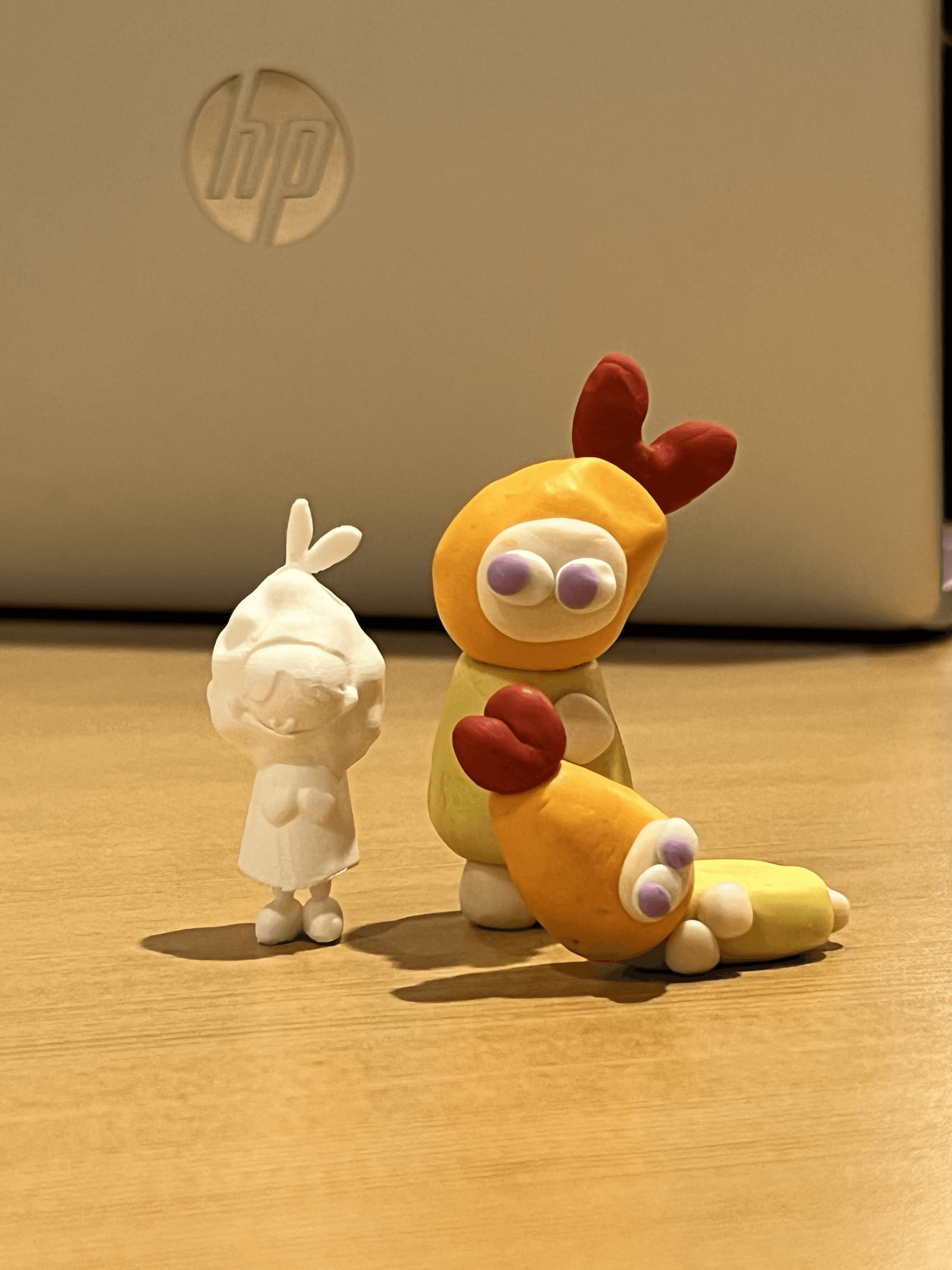
In our early prototyping phase, we created low-fidelity mockups to explore variations in box structure, card layout, and figurine design. These tangible sketches allowed us to test how form and function could support the storytelling experience while remaining visually appealing and collectible.



High-Fidelity Prototyping
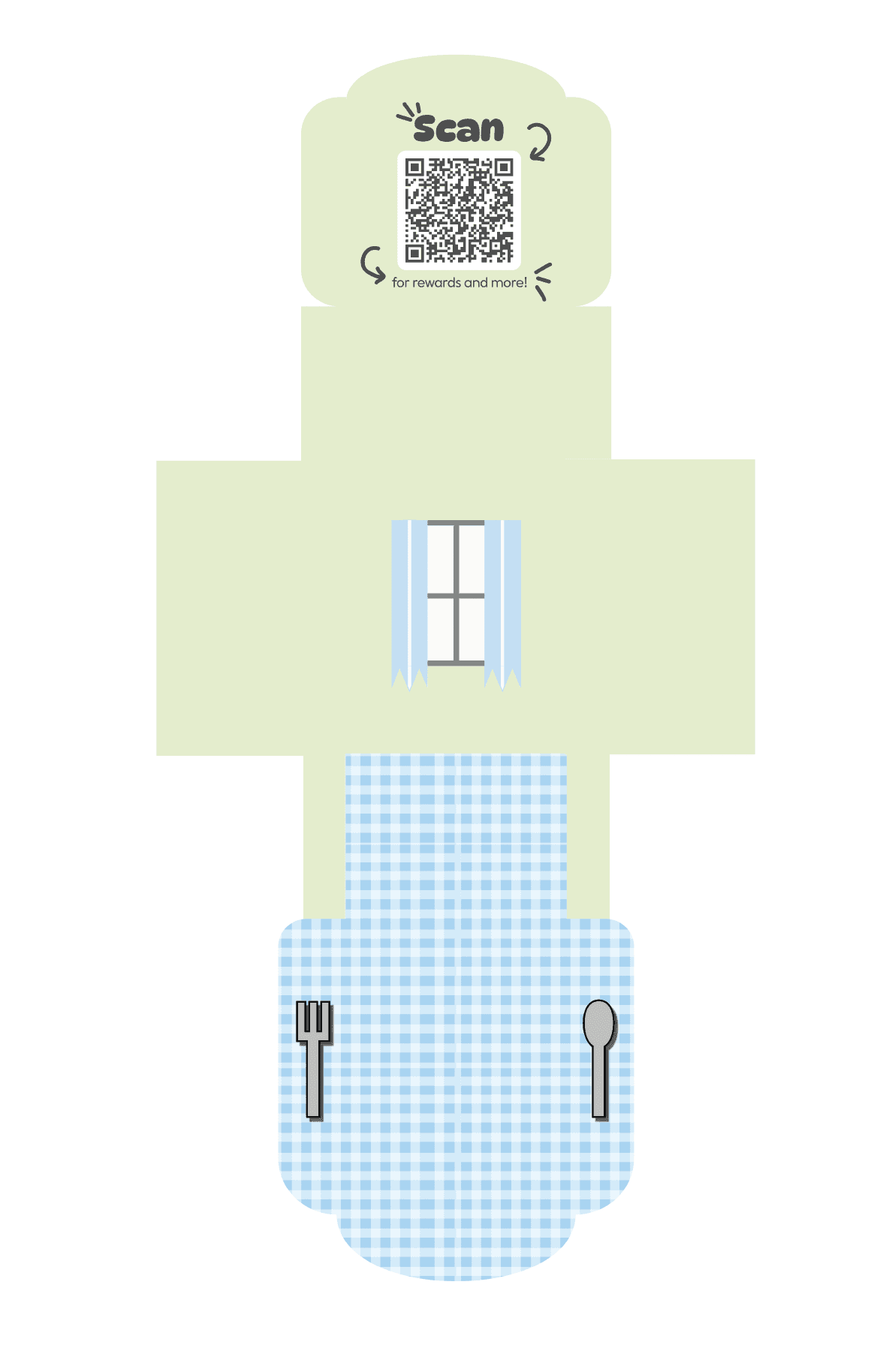
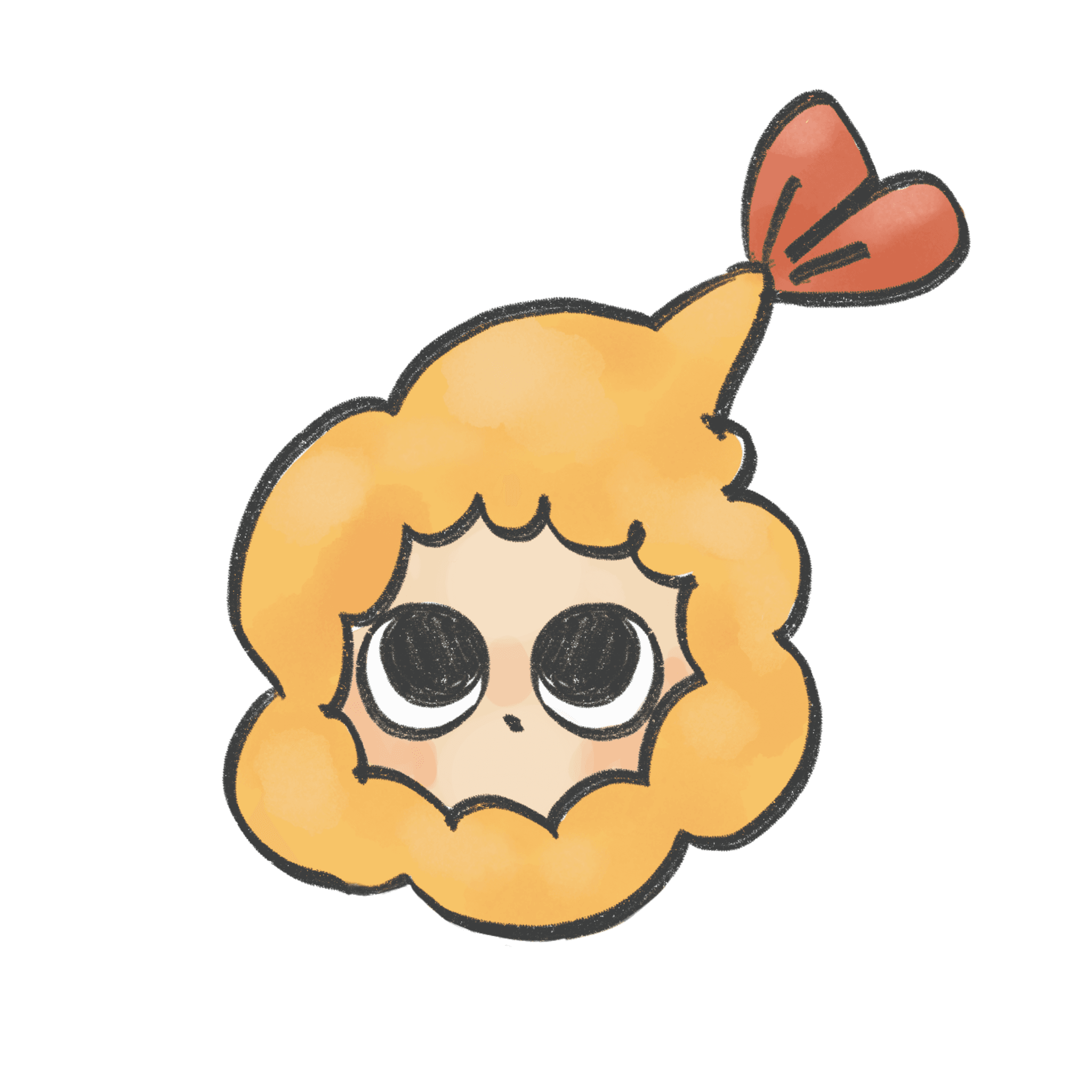
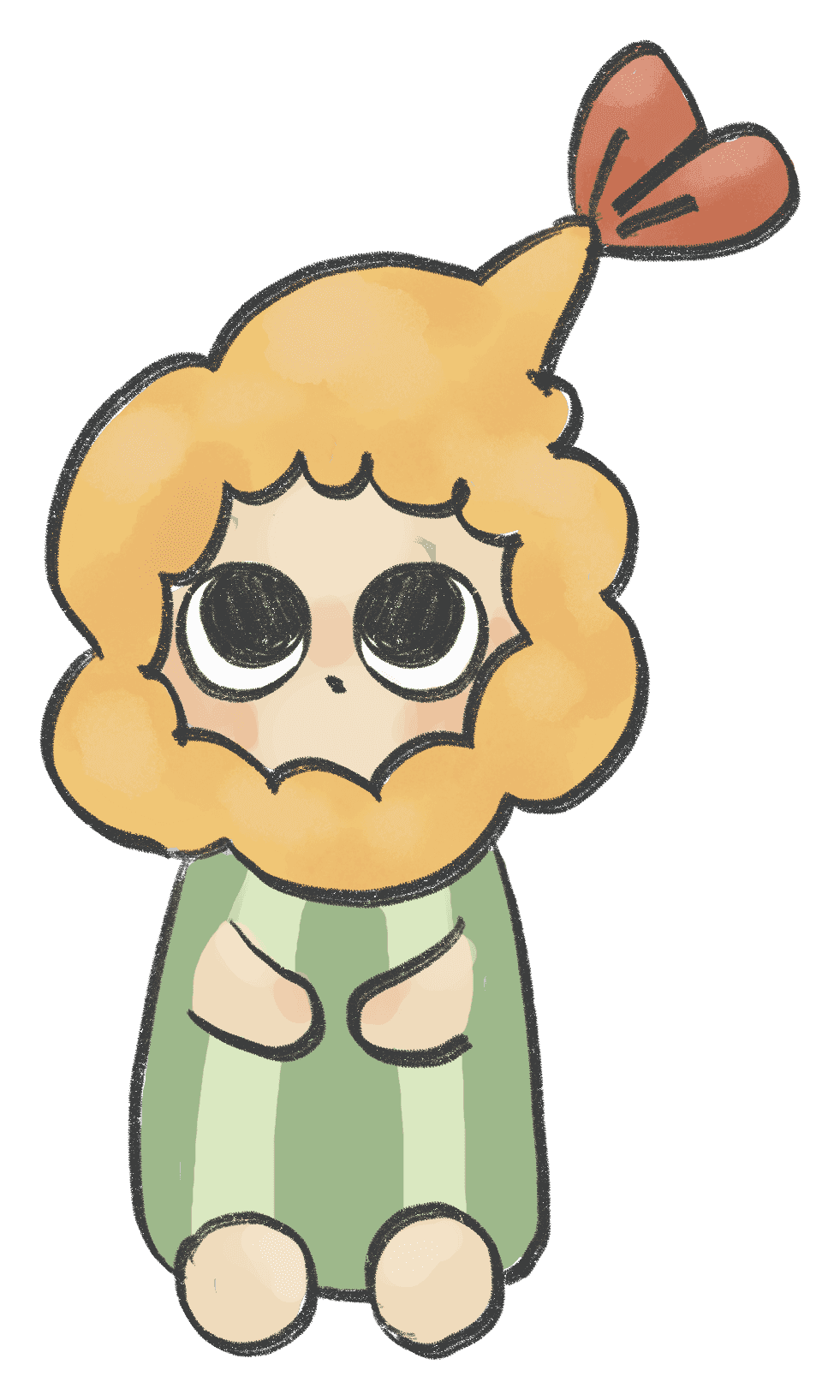
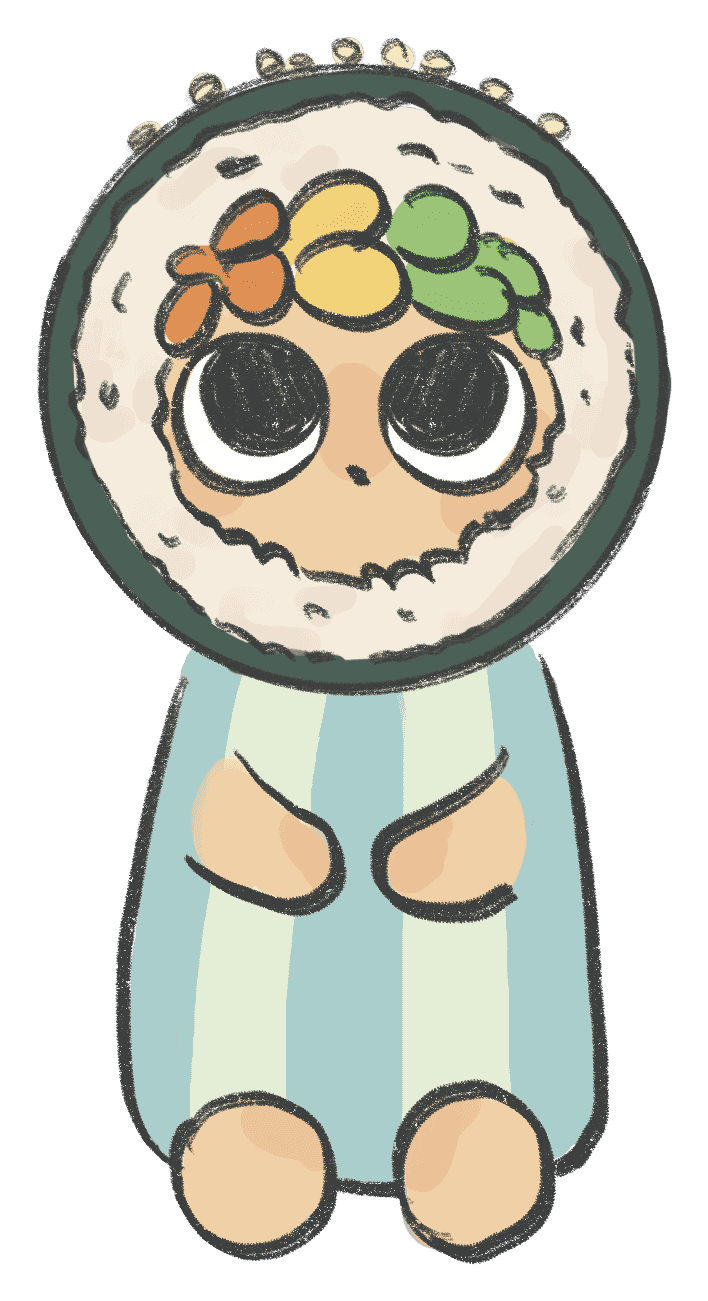
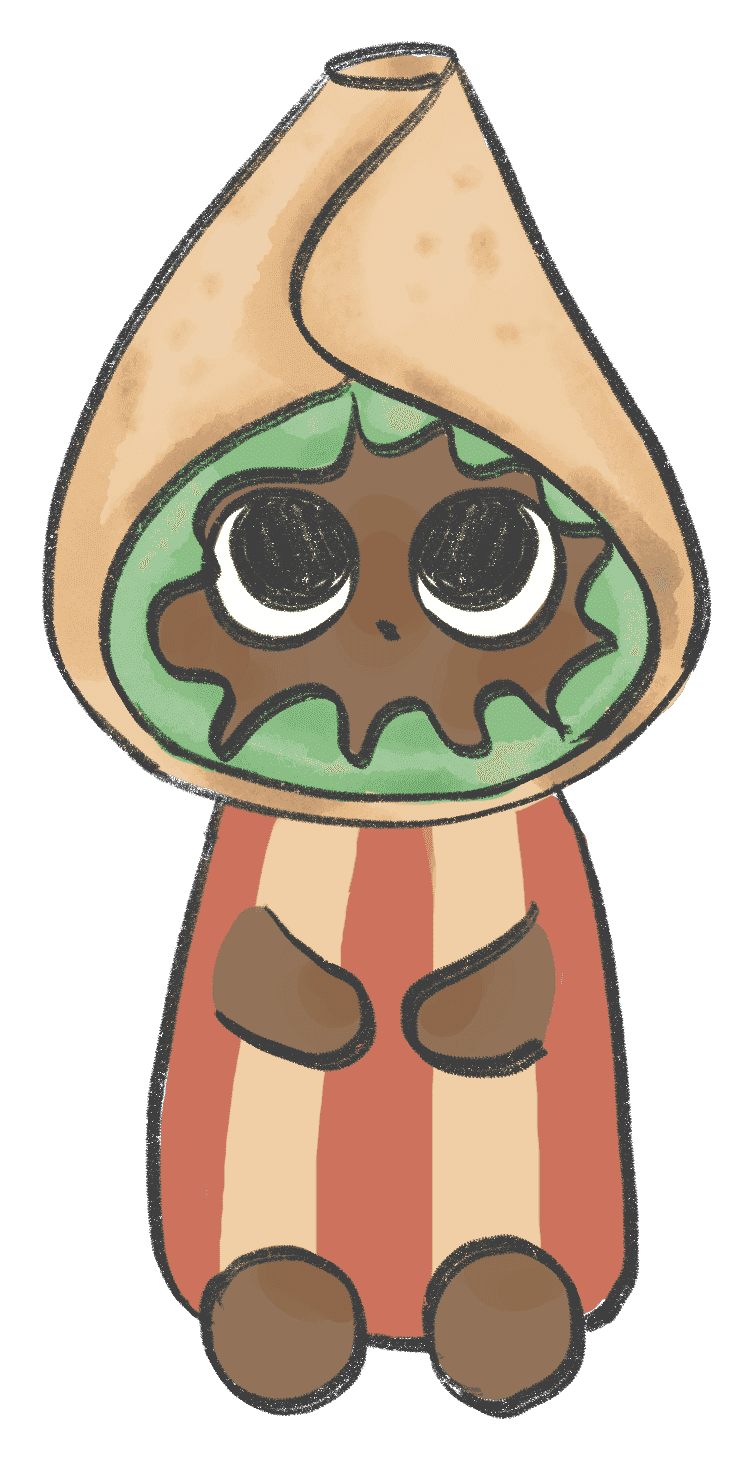
After several iterations and user feedback cycles, we transitioned to high-fidelity prototypes, refining the visual language, interaction flow, and educational content. The final design captured the playful essence of blind box culture while maintaining a strong focus on cultural appreciation and narrative depth.






TEMPU
JJAJA
CURRI
BAMI
CROLL
KEBB

?
???

Final Outcome
Check out video!

The Challenge
The Challenge
In today’s diverse culinary landscape, many creative-minded youth enjoy fusion foods without fully understanding their rich historical and cultural origins. Often lacking knowledge about the deep-rooted histories behind fusion cuisine and may unknowingly contribute to the misrepresentation of it. We sought to create an experience that transforms learning into an engaging and immersive journey that is easily accessible.
Rather than presenting history as static information, we designed an interactive approach that invites users to explore the influences of migration, colonization, and trade on global cuisine. By weaving storytelling with hands-on engagement, we aim to spark curiosity and encourage a deeper, more thoughtful appreciation of heritage through food.
Our project invites young creatives to connect with the past, challenge assumptions, and see food as a living testament to cultural evolution. Through interactive elements, we hope to make food history not only accessible but also inspiring and to think critically about global food heritage.
In today’s diverse culinary landscape, many creative-minded youth enjoy fusion foods without fully understanding their rich historical and cultural origins. Often lacking knowledge about the deep-rooted histories behind fusion cuisine and may unknowingly contribute to the misrepresentation of it. We sought to create an experience that transforms learning into an engaging and immersive journey that is easily accessible.
Rather than presenting history as static information, we designed an interactive approach that invites users to explore the influences of migration, colonization, and trade on global cuisine. By weaving storytelling with hands-on engagement, we aim to spark curiosity and encourage a deeper, more thoughtful appreciation of heritage through food.
Our project invites young creatives to connect with the past, challenge assumptions, and see food as a living testament to cultural evolution. Through interactive elements, we hope to make food history not only accessible but also inspiring and to think critically about global food heritage.
The Process
The Process
During our ideation phase, we conducted extensive research, gathering data and observations to identify key themes related to our project. Through this process, we identified three potential focus areas: authenticity in cuisine, fusion food & culture, and accessibility & logistics.
During our ideation phase, we conducted extensive research, gathering data and observations to identify key themes related to our project. Through this process, we identified three potential focus areas: authenticity in cuisine, fusion food & culture, and accessibility & logistics.
Down Selecting
From the three initial concepts developed, our team decided to move forward with Chef Mart, a fusion food blind box collectible that merges aesthetic appeal with educational insights into the history of fusion cuisine. We selected this concept because it balanced visual engagement, cultural storytelling, and interactive learning, aligning closely with our project’s goals of sparking curiosity around food heritage.
Down Selecting
From the three initial concepts developed, our team decided to move forward with Chef Mart, a fusion food blind box collectible that merges aesthetic appeal with educational insights into the history of fusion cuisine. We selected this concept because it balanced visual engagement, cultural storytelling, and interactive learning, aligning closely with our project’s goals of sparking curiosity around food heritage.

Co-Designing With Stakeholders
To refine our concept, we engaged in a co-design process involving users from diverse cultural and culinary backgrounds. Through these interviews, we explored how people currently relate to food heritage and where knowledge gaps or misconceptions exist. We asked open-ended questions to better understand:
How users define and experience fusion cuisine
What cultural food narratives they find engaging
Which forms of interaction feel most inviting and memorable
Co-Designing With Stakeholders
To refine our concept, we engaged in a co-design process involving users from diverse cultural and culinary backgrounds. Through these interviews, we explored how people currently relate to food heritage and where knowledge gaps or misconceptions exist. We asked open-ended questions to better understand:
How users define and experience fusion cuisine
What cultural food narratives they find engaging
Which forms of interaction feel most inviting and memorable
Constructive Feedback
We facilitated group critique sessions, presenting early concepts and gathered constructive feedback. These sessions helped us evaluate:
Whether the concept clearly communicated the cultural and historical value of fusion foods
If the interactive and collectible elements were compelling enough to sustain engagement
Based on this feedback, we identified key areas for refinement such as enhancing visual storytelling, clarifying the user journey, and ensuring accessibility.
Constructive Feedback
We facilitated group critique sessions, presenting early concepts and gathered constructive feedback. These sessions helped us evaluate:
Whether the concept clearly communicated the cultural and historical value of fusion foods
If the interactive and collectible elements were compelling enough to sustain engagement
Based on this feedback, we identified key areas for refinement such as enhancing visual storytelling, clarifying the user journey, and ensuring accessibility.
Low-Fidelity Prototyping
In our early prototyping phase, we created low-fidelity mockups to explore variations in box structure, card layout, and figurine design. These tangible sketches allowed us to test how form and function could support the storytelling experience while remaining visually appealing and collectible.
High-Fidelity Prototyping
After several iterations and user feedback cycles, we transitioned to high-fidelity prototypes, refining the visual language, interaction flow, and educational content. The final design captured the playful essence of blind box culture while maintaining a strong focus on cultural appreciation and narrative depth.
High-Fidelity Prototyping
After several iterations and user feedback cycles, we transitioned to high-fidelity prototypes, refining the visual language, interaction flow, and educational content. The final design captured the playful essence of blind box culture while maintaining a strong focus on cultural appreciation and narrative depth.
Low-Fidelity Prototyping
In our early prototyping phase, we created low-fidelity mockups to explore variations in box structure, card layout, and figurine design. These tangible sketches allowed us to test how form and function could support the storytelling experience while remaining visually appealing and collectible.
Low-Fidelity Prototyping
In our early prototyping phase, we created low-fidelity mockups to explore variations in box structure, card layout, and figurine design. These tangible sketches allowed us to test how form and function could support the storytelling experience while remaining visually appealing and collectible.
TEMPU
JJAJA
CURRI
BAMI
CROLL
KEBB
?
???
Final Outcome
Final Outcome





Check out video!
Check out video!